Bigfoot Trails Basecamp:
The Story Behind the Land
Bigfoot Trails began long before there was a name for it.
In 2003, my parents purchased five acres of land directly next to the five acres my wife’s parents had been living on since 1990. The original idea was simple and deeply personal: the land was intended to become a family burial park—a place where generations could stay together, even after life.
About six months later, the plan changed.
My wife and I acquired that original five-acre parcel with a new vision: to build our forever home and put down permanent roots next to family. Not long after that, we received a call that changed everything—nearly twelve additional acres of adjacent land were going up for sale, and we were given first opportunity to buy it.
That answer was immediate.
Yes. Absolutely.
Today, the property totals just over 20 acres. Sixteen acres are raw, wooded, and untouched. Five acres remain owned and occupied by my wife’s parents, land we have full access to and will eventually purchase from the estate to keep the property whole and in the family.
In September 2025, we sold our house and committed fully. We moved onto the land full-time, living in our 35-foot Forest River Georgetown 335DS motorhome while we work the property, study the land, plan the build, and decide what this place will ultimately become.
This isn’t a rush job.
This isn’t a flip.
And it isn’t a weekend escape.
The long-term goal is a barndominium for my wife and me, walking trails through the woods, gardens, and a self-sustaining setup—eventually growing into a multi-generational family compound where our kids and grandkids can build lives of their own on the same ground.
Bigfoot Trails is about family, land, legacy, and doing things the long way—on purpose.
We’re still early in the process.
The land is still rough.
The plans are still evolving.
And that’s exactly the point.
Welcome to the journey.
Drag Racing since 1967 - 4 Generations:
Generations of Drag Racers
Drag racing has been part of this family for nearly sixty years.
My wife’s father was introduced to drag racing in 1965, and it didn’t take long to take hold. By 1967, he was racing at local tracks in a 1937 Ford Business Coupe—a car he bought at age twelve and still owns today. The racetrack is also where he met his future wife.
They raised three kids—two sons and a daughter—and all three grew up racing. Both sons still compete, and their daughter, my wife, was never an exception.
Racing didn’t stop there.
A cousin races. Both of his kids race. One of them became the NHRA Sportsman World Champion in 2024. Both of my wife’s brothers now have kids of their own, and all six race. My wife and I have two children—one races—and now there are two grandkids waiting in the wings, already being introduced to the Jr. Dragster class.
This isn’t a phase.
It’s generational.
Cars That Stay in the Family
What sets this family apart isn’t just how long they’ve raced—it’s how long they’ve kept their cars.
My wife’s father still races his 1937 Ford Business Coupe
The oldest brother still runs his first car, a 1965 Ford Falcon Sedan Delivery
A cousin still owns his first car, a 1957 Chevy two-door wagon
And then there’s my wife’s car.
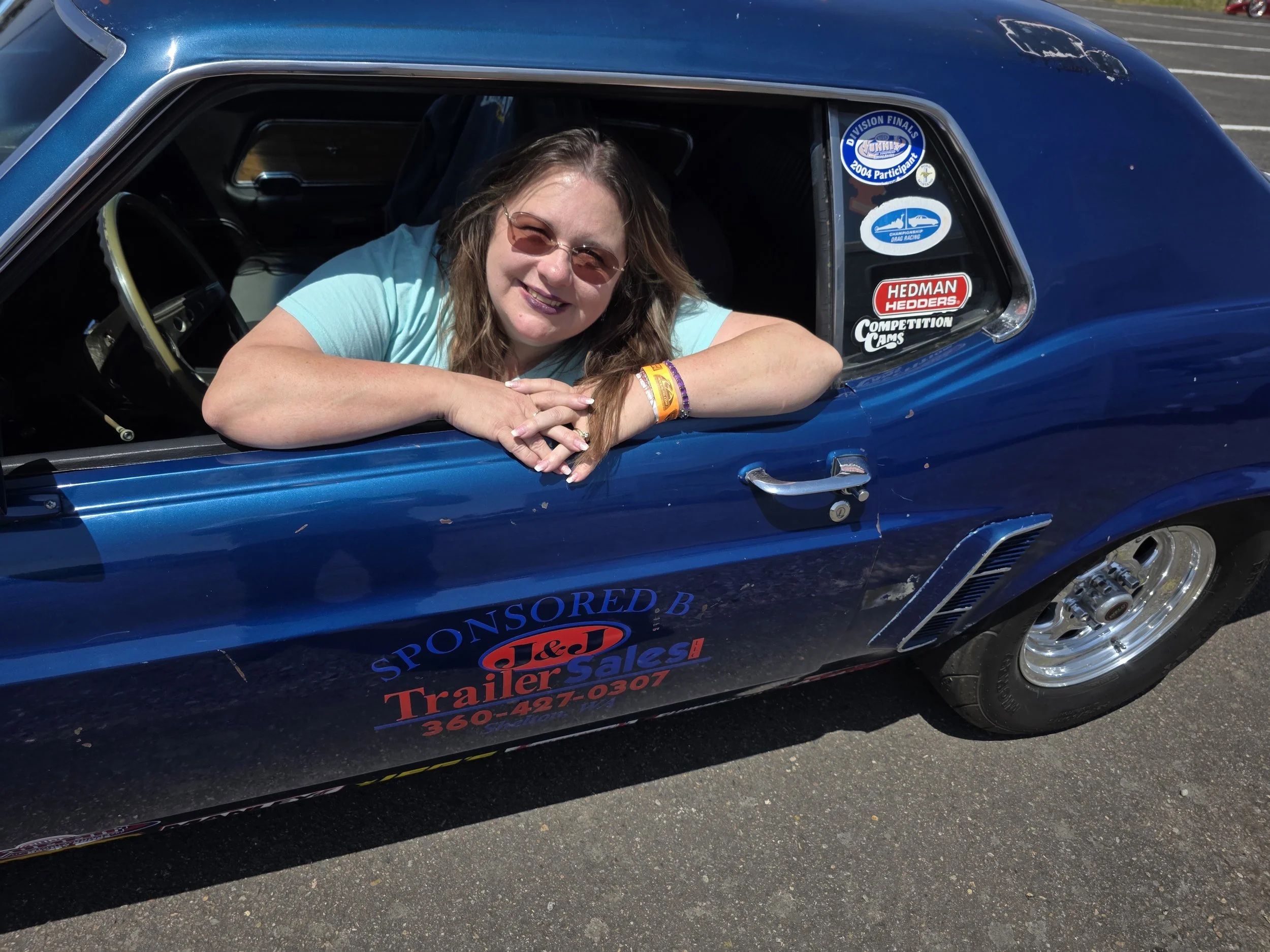
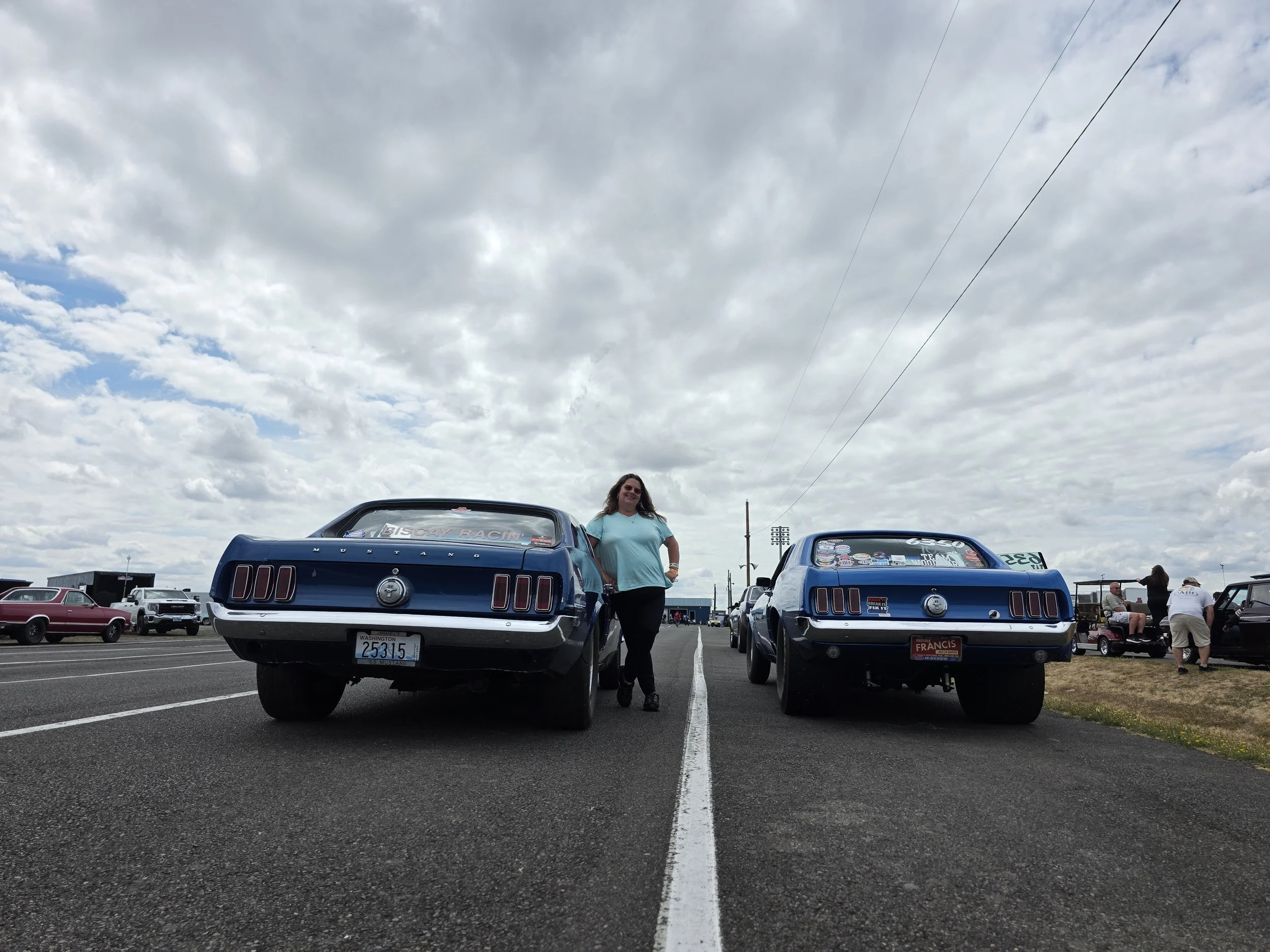
Her 1969 Ford Mustang was literally pulled out of blackberry bushes when she was fourteen years old. She and her dad spent years bringing it back to life—full interior, suspension, brakes, and running gear. For the first few seasons, it ran a humble 250 inline-six.
Once I entered the picture, the car evolved:
302 V8
Heavy-duty C4 transmission
Narrowed Maverick 8-inch rear end
Granada front spindles and brakes
Conversion from 4-lug to 5-lug wheels
Over time, it evolved again.
Today, the Mustang runs a 351 Windsor, an AOD transmission, and a 9-inch rear end with 3.89 gears and a Detroit Locker. As of this writing, a fresh heavy-duty C4—being built by a fellow drag racer—is slated for installation for the 2026 season.
Anyone who builds hot rods knows the truth:
Hot rods are never done.
Why This Matters
This family doesn’t just race cars.
They keep them.
They build them.
They pass them down.
Drag racing here isn’t nostalgia—it’s continuity.
The same way the land is being built for future generations, the cars and the racing carry the same legacy forward.
Motorcycles - 5 Generations of Riders:
Five Generations of Motorcycle Riders
(And the Sixth Is Already Watching)
Motorcycles run deep in this family.
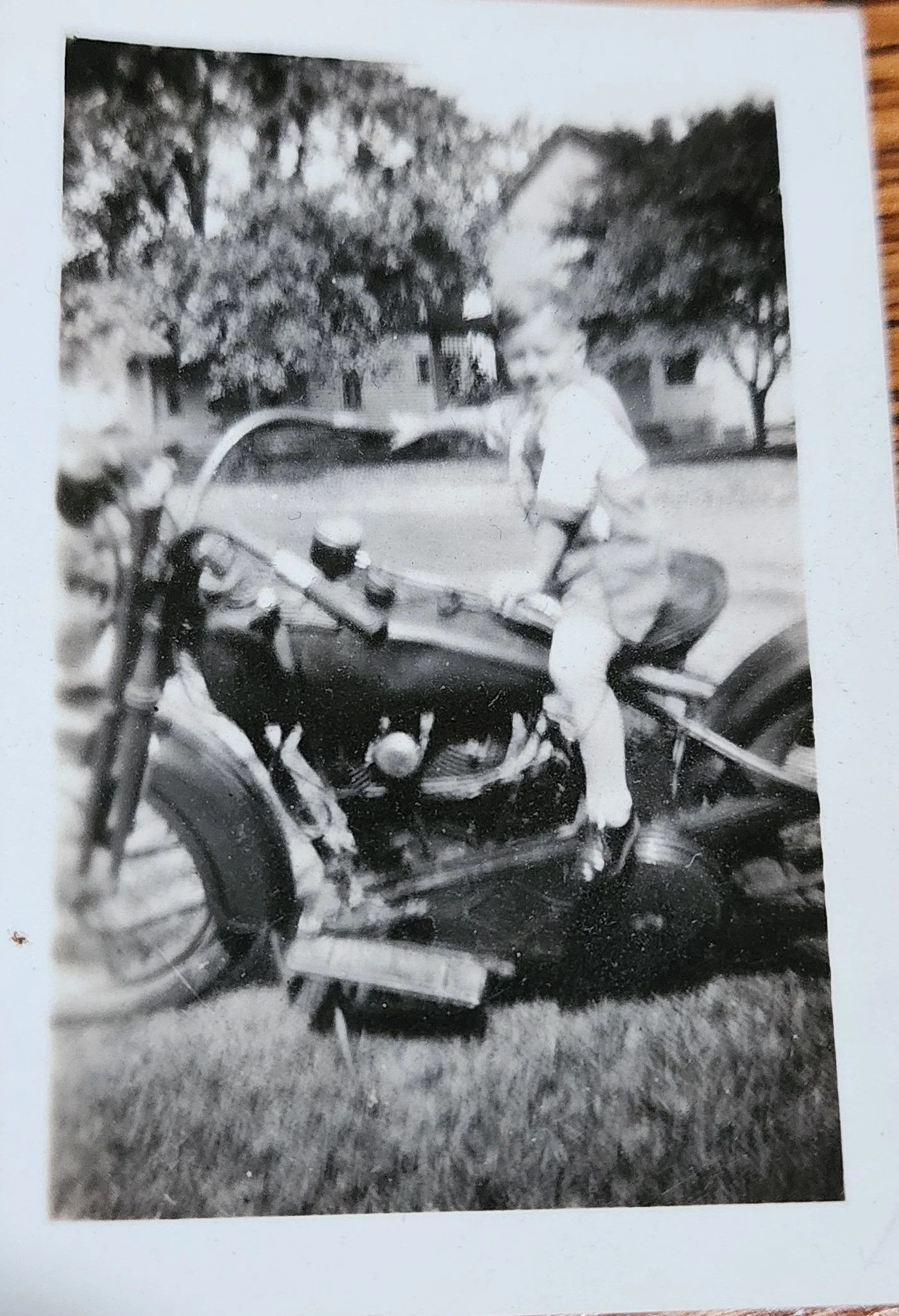
My great-grandfather rode motorcycles during the war, and when he came home, he never stopped. His riding is what pulled my grandfather in, eventually leading him to become a motorcycle police officer in Ohio. When my dad was about four years old, there’s a photo of him sitting on his father’s bike—already hooked. My grandfather rode well into his eighties, only stopping a few months before he passed.
Riding didn’t skip a generation.
After I was born, my dad rode with an outlaw motorcycle club while stationed in Germany. I still remember some of those guys. There’s a story there—one I’ll share separately in the journal section. What matters here is this: my dad has ridden my entire life.
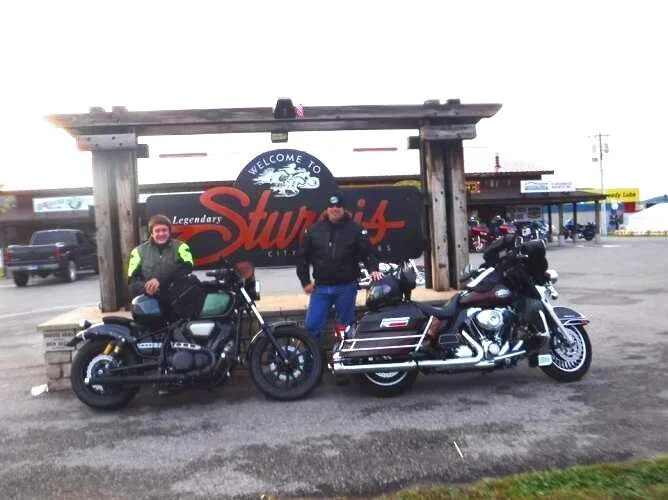
At fifteen, I got my first bike—a Harley—and that was it. I’d been riding on the back with my dad and uncles for years, and once I had my own, motorcycles became part of everyday life. I’ve owned more bikes than I can count. For a long stretch, I’d buy a bike in the winter, ride it year-round, and sell it in the spring. It didn’t matter if it was drag racing, long-distance endurance rides, weekend trips, or daily commuting—I just wanted to be on two wheels.
For three years, I didn’t even own a car.
Just bikes.
My son started riding dirt bikes at four. At fifteen, he took his motorcycle safety course in brutal conditions—monsoon rain, standing water everywhere—and passed. He earned his motorcycle endorsement before he was sixteen and before he had a driver’s license. That’s commitment.
Now, the next generation is already lining up.
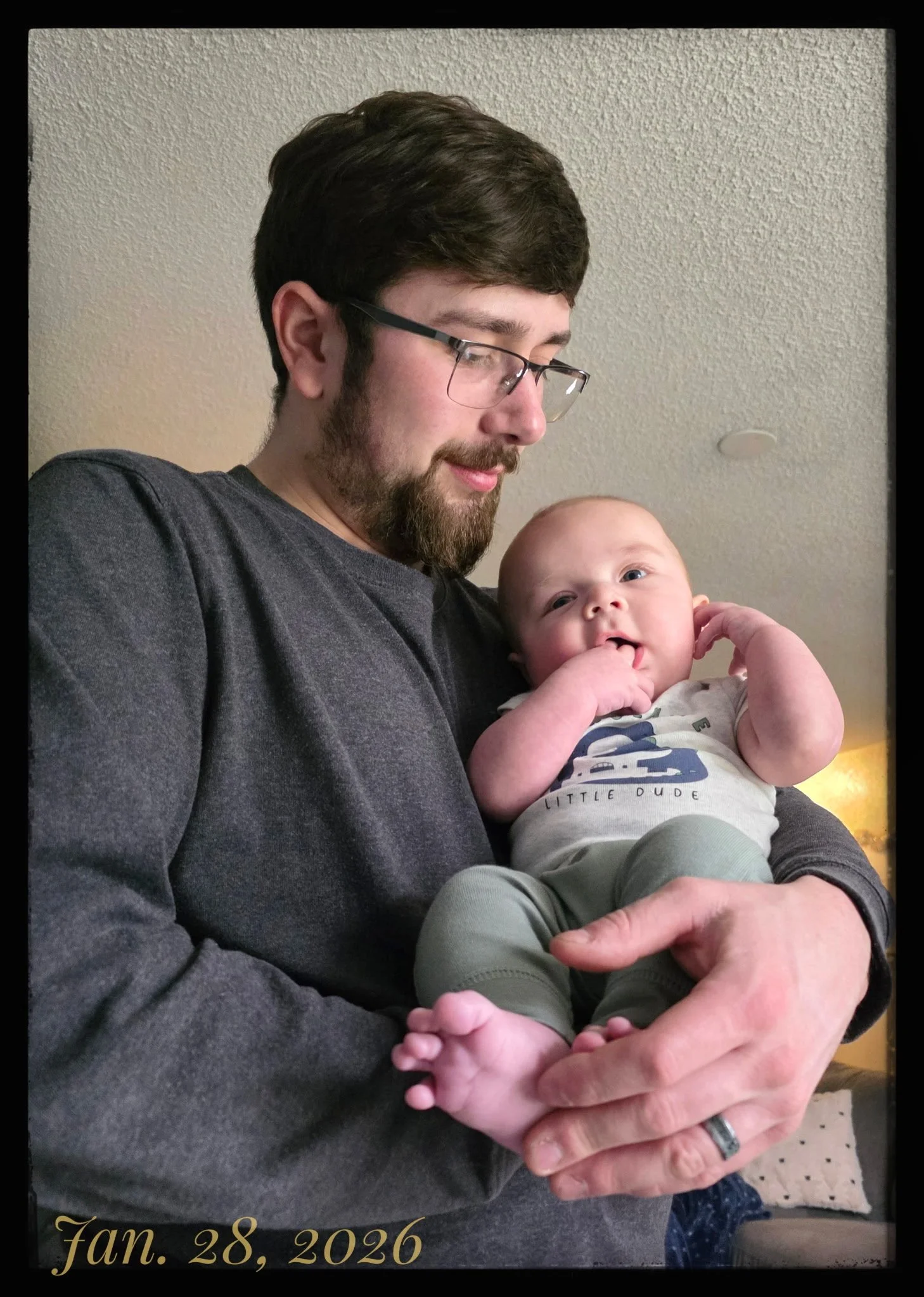
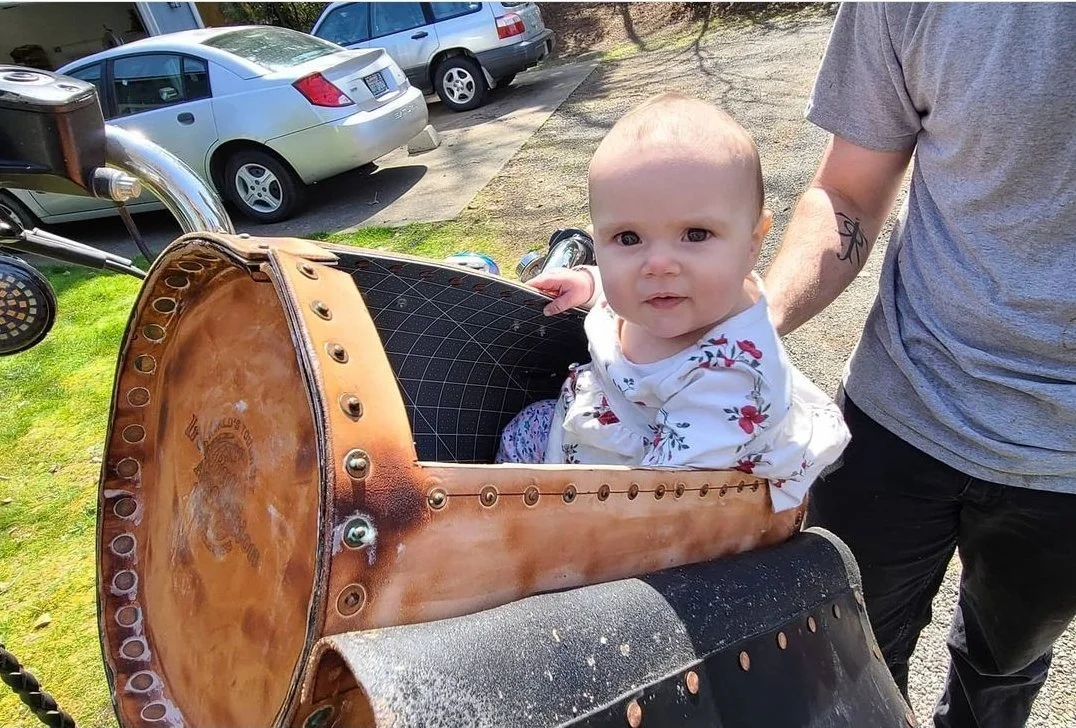
I have two grandkids. My granddaughter is five and already showing interest in bikes—but with both of her grandfathers riding, that was probably inevitable. My grandson is only four months old, but the way he clenches his fists tells me everything I need to know.
He’s going to be riding a chopper with ape hangers.
This isn’t a hobby.
It’s not even a passion.
It’s a way of life—passed down, one generation at a time.
What We’re Building Toward and Why:
What We’re Building Toward
Bigfoot Trails Basecamp is being built with one goal in mind: keeping family together while giving each generation room to live their own lives.
The long-term plan starts with a barndominium—a modest living space paired with a large, functional shop—for my wife and me. As time goes on and life changes, the land grows with us.
When her parents eventually pass, our daughter plans to move into their current home on the property with our granddaughter. We also hope our son will build his own barndominium and move out with our grandson. The vision is a true family compound—separate homes, private space, and shared ground—where help is close, skills are shared, and no one stands alone.
This isn’t about control or proximity.
It’s about continuity.
Building for Resilience, Not Convenience
Self-sustainment is a core part of the plan.
The existing property already has a well, septic system, grid power, and access to community water—providing built-in redundancy. As we develop the land, we’re intentionally adding layers instead of single points of failure.
During the build phase, we’re establishing an off-grid area for the motorhome, using generator power as needed while designing and installing a solar and battery system. Water catchment and filtration, along with a dedicated septic system, will support that setup.
The barndominium will have its own well, septic, and grid power, backed up by solar, battery storage, and a generator—plus water catchment and filtration.
Redundancy isn’t paranoia.
It’s responsibility.
Shared Space, Shared Life
The land itself is meant to be used.
Walking trails, an outdoor kitchen and pavilion, a central gathering area, a bonfire pit, gardens, a greenhouse, and more are all part of the long-term plan. These spaces aren’t just amenities—they’re where family gathers, works together, and builds memories.
Truthfully, this isn’t just for us.
With costs rising and opportunities shrinking, we know our kids may never have the same advantages previous generations did—and their kids may face even steeper challenges. We want to build something that removes pressure instead of adding it. A place where the systems are already in place, the land is secure, and the next generation can focus on living well instead of staying afloat.
If this all comes together in my lifetime, I’ll consider it a win.
Family comes first.
Everything else is secondary.